

Introduction
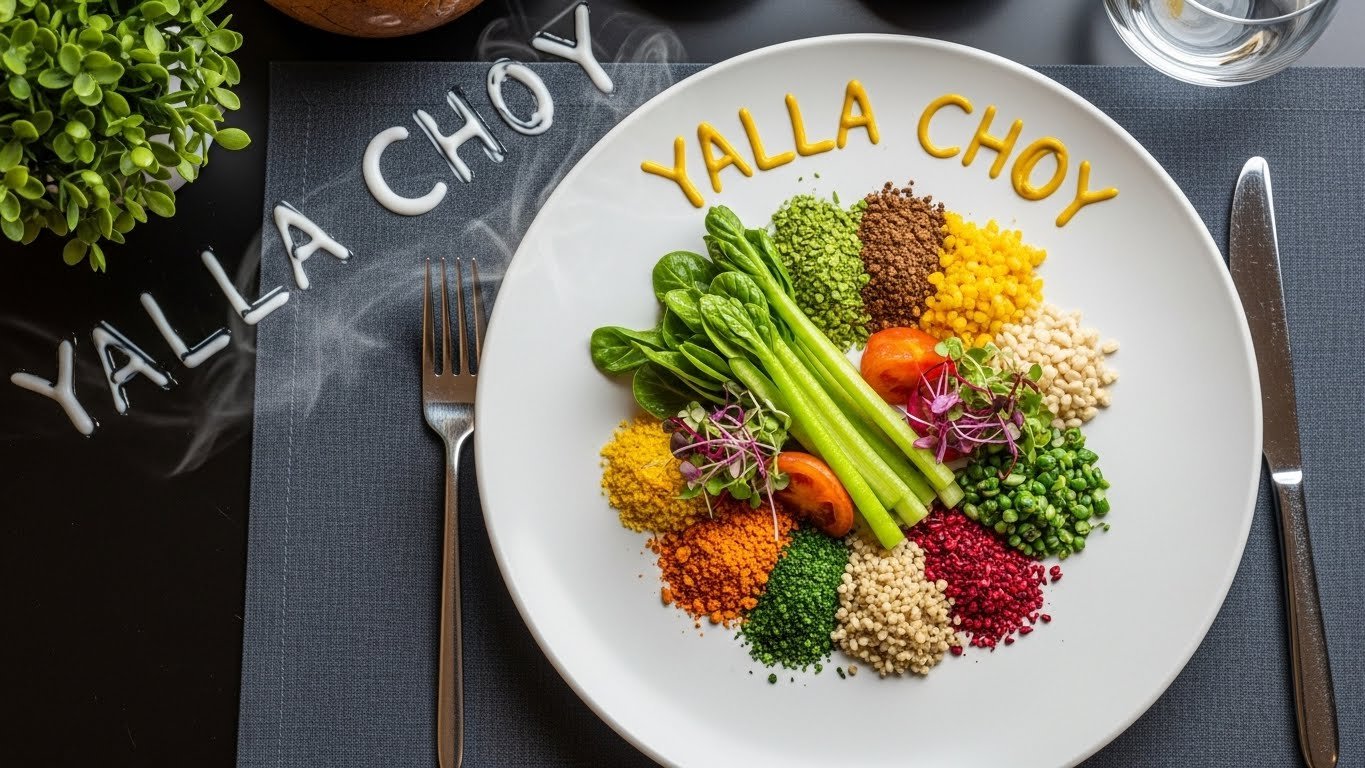
Have you ever heard someone say yalla choy when talking about food and felt immediately curious? It sounds catchy, energetic, and somehow inviting — as if it’s urging you to get up and eat something tasty right now. Yalla choy isn’t just a fun phrase you see online; it represents a growing trend in global food culture that blends vibrant flavors with communal experiences. Whether it’s becoming a name for a menu item, a social dining concept, or a playful way to celebrate food moments with friends, yalla choy captures the spirit of eating well and enjoying every bite. In this article, we’ll dive deep into what yalla choy means in the food world, explore its cultural and culinary roots, and give you recipes, tips, and ideas to bring it into your kitchen.
What Does Yalla Choy Mean in Food Culture?
At its heart, yalla choy brings together two concepts: a sense of motion and a love for food. The first part, yalla, is an energetic phrase used casually in many cultures to mean “let’s go” or “come on.” It’s the kind of thing someone might say when they’re excited or urging a group to get moving — which in the kitchen translates perfectly into “let’s eat!” The second part, choy, evokes food and comfort. In Asian languages, words like choy (as in bok choy or choy sum) are associated with fresh vegetables, nourishment, and the delicious taste of greens that add life to every dish. Put together, yalla choy becomes a vibrant food mantra — an invitation to eat, share, and savor flavorful meals that bring people together.
The Cultural Roots Behind Yalla Choy Cuisine
Middle Eastern Influence
Middle Eastern cuisine is rich, aromatic, and deeply social. Meals are often shared with family and friends, with dishes that emphasize spices like cumin, coriander, sumac, and herbs like parsley and mint. Staples such as hummus, falafel, tabbouleh, and slow‑cooked stews embody warmth and togetherness. These are dishes you don’t just eat — you experience them around a table full of laughter and conversation.
Asian Food Tradition
Across many Asian cultures, the word choy is tied to vegetables and tea culture. In Cantonese, choy refers to leafy greens like bok choy, choy sum, or gai choy — all versatile ingredients that add freshness and crunch to meals. Vegetables in this family are beloved for their mild flavor and nutritional punch. Stir‑fried with garlic and soy sauce, steamed alongside protein dishes, or tossed into soups and noodles, these greens are everyday heroes in kitchens around the world.
Fusion of Two Worlds
When you combine the lively appetite of Middle Eastern dining with the fresh simplicity of Asian greens and ingredients, you get something exciting: food that feels familiar yet fresh, bold yet balanced. That’s the heart of yalla choy food culture — celebrating bold spices and herbs alongside crisp vegetables and global influences that elevate every plate.
Why Yalla Choy Is Becoming a Food Trend
1. It’s Vibrant and Shareable
In the age of social media, food trends spread quickly. People want dishes that look good, taste amazing, and tell a story. Yalla choy fits all three. Whether it’s a bowl of aromatic spiced grains or a colorful vegetable stir‑fry, dishes under this banner are perfect for photos and posts.
2. Cross‑Cultural Appeal
The fusion of Middle Eastern and Asian elements gives yalla choy dishes a broad flavor spectrum. Many people who love bold spices also enjoy fresh, garden‑style vegetables — so the concept resonates across food lovers of different backgrounds.
3. Healthy Without Being Bland
Yalla choy dishes often blend lean proteins, fresh vegetables, legumes, and whole grains. This combination makes meals that are both nutritious and exciting — a rare win in the world of wholesome food.
4. Flexible and Creative
One reason yalla choy is gaining traction is that it isn’t rigid. Chefs and home cooks can interpret it in countless ways — from hearty shared platters to quick weeknight meals that satisfy big cravings with minimal complexity.
Core Ingredients of Yalla Choy Dishes
Here’s a breakdown of ingredients that often show up in yalla choy–inspired food — and why they matter:
1. Fresh Vegetables
Asian greens like bok choy, choy sum, or other leafy greens bring color, texture, and nutrition. They soak up flavors beautifully and pair well with spices and sauces.
2. Aromatic Spices
Spices are the soul of yalla choy cuisine. Think cumin, coriander, turmeric, cinnamon, and sumac. These add depth, warmth, and complexity.
3. Herbs
Parsley, mint, dill, and cilantro add brightness. A sprinkle of fresh herbs at the end of cooking brings a dish to life and balances heavier elements.
4. Protein Staples
Chickpeas, lentils, chicken, lamb, or tofu offer substance and make dishes hearty enough for lunch or dinner.
5. Grains and Legumes
Couscous, bulgur, rice, or quinoa act as perfect bases, soaking up sauces and bringing everything together into a satisfying meal.
6. Flavor Boosters
Olive oil, citrus juice, tahini, and garlic — these staples elevate simple ingredients into something memorable.
Popular Yalla Choy–Inspired Recipes
Whether you’re a novice cook or a seasoned pro, yalla choy recipes are creative, flavorful, and surprisingly easy.
1. Spicy Yalla Choy Stir‑Fry
Start with fresh greens chopped into bite‑sized pieces. Heat oil and sauté garlic, ginger, and a pinch of chili. Add your greens, splash in soy sauce and lemon juice, and finish with sesame seeds. This dish combines vibrancy with crunch — a quick meal that’s big on flavor.
2. Herb‑Infused Chickpea and Grain Bowl
Warm couscous or quinoa becomes a celebration of flavors when mixed with spiced chickpeas, chopped fresh herbs, diced tomatoes, and grilled peppers. Finish with olive oil and lemon for a refreshing yet comforting dish.
3. Yalla Choy Lamb Stew
Slow‑cook tender lamb with onions, garlic, cinnamon, and tomatoes until it melts in your mouth. Stir in hearty greens near the end and serve over fluffy bulgur with a dollop of yogurt on top. This is the kind of meal that feels like a feast at any time of year.
4. Garlic Sesame Vegetable Mix
Garlic and sesame oil are magic when paired with tender greens and sliced mushrooms. Stir‑fry quickly over high heat, then finish with a splash of soy and sesame seeds. Simple, quick, and perfect as a side dish or light main.
Tips for Mastering Yalla Choy at Home
To make the most of yalla choy–inspired cooking, here are some helpful tips:
Choose Fresh Ingredients
Always start with crisp, vibrant vegetables and fresh herbs. They make a world of difference in taste and texture.
Balance Your Flavors
Good cooking is about balance. If a dish feels too spicy or heavy, add acidity (like lemon juice) or fresh herbs to brighten it up.
Don’t Overcook Greens
Leafy vegetables taste best when they’re still slightly crisp. Overcooking can make them lose color and nutrients.
Experiment with Spices
Don’t be afraid to mix spices creatively. A pinch of cinnamon in a savory stew or a dash of sumac over a grain bowl can add unexpected delight.
Use Quality Oils
Extra‑virgin olive oil or toasted sesame oil adds richness and aroma — a small upgrade that pays big dividends.
Health Benefits of Yalla Choy–Style Eating
Yalla choy dishes often emphasize fresh, whole foods that are not only delicious but also nutritious. Here are some of the ways they can be good for you:
- High in Vitamins and Minerals — Leafy greens and herbs are rich in vitamins A, C, and K, supporting immunity and bone health.
- Balanced Macronutrients — Including grains, legumes, and lean proteins ensures meals are satisfying and nourishing.
- Antioxidant Boost — Spices like turmeric and garlic contain compounds linked to anti‑inflammatory effects.
- Fiber‑Rich — Vegetables, legumes, and whole grains help digestion and can support sustained energy levels.
Eating in this style celebrates flavor and well‑being at the same time — a combination that makes it easier to enjoy healthy meals regularly.
Yalla Choy as a Dining Experience
What makes yalla choy more than a catchy phrase is its role in social eating. Imagine a table filled with vibrant stews, sizzling stir‑fries, aromatic herbs, and colorful grains. Friends and family gather around, passing plates, offering tastes, and lingering over conversation. This is the essence of yalla choy — meals that are communal, flavorful, and full of life.
Whether you’re hosting a dinner, sharing a weekend lunch, or simply enjoying a solo‑made feast, yalla choy cuisine brings energy and enjoyment to the table.
Conclusion
Yalla choy is more than a phrase — it’s a celebration of food, community, and flavor. From its cultural roots that mingle Middle Eastern warmth with Asian freshness to the creative culinary expressions it inspires today, yalla choy dishes invite you to explore, experiment, and enjoy every bite. With vibrant ingredients, aromatic spices, and a philosophy that food should be joyful and shared, yalla choy can transform everyday meals into something memorable. So next time you step into the kitchen, think yalla choy — let’s go eat, explore, and savor the delicious journey together!
Call to Action: Have you tried a recipe inspired by yalla choy yet? Share your favorite food creation in the comments and inspire others to cook something delicious!
