

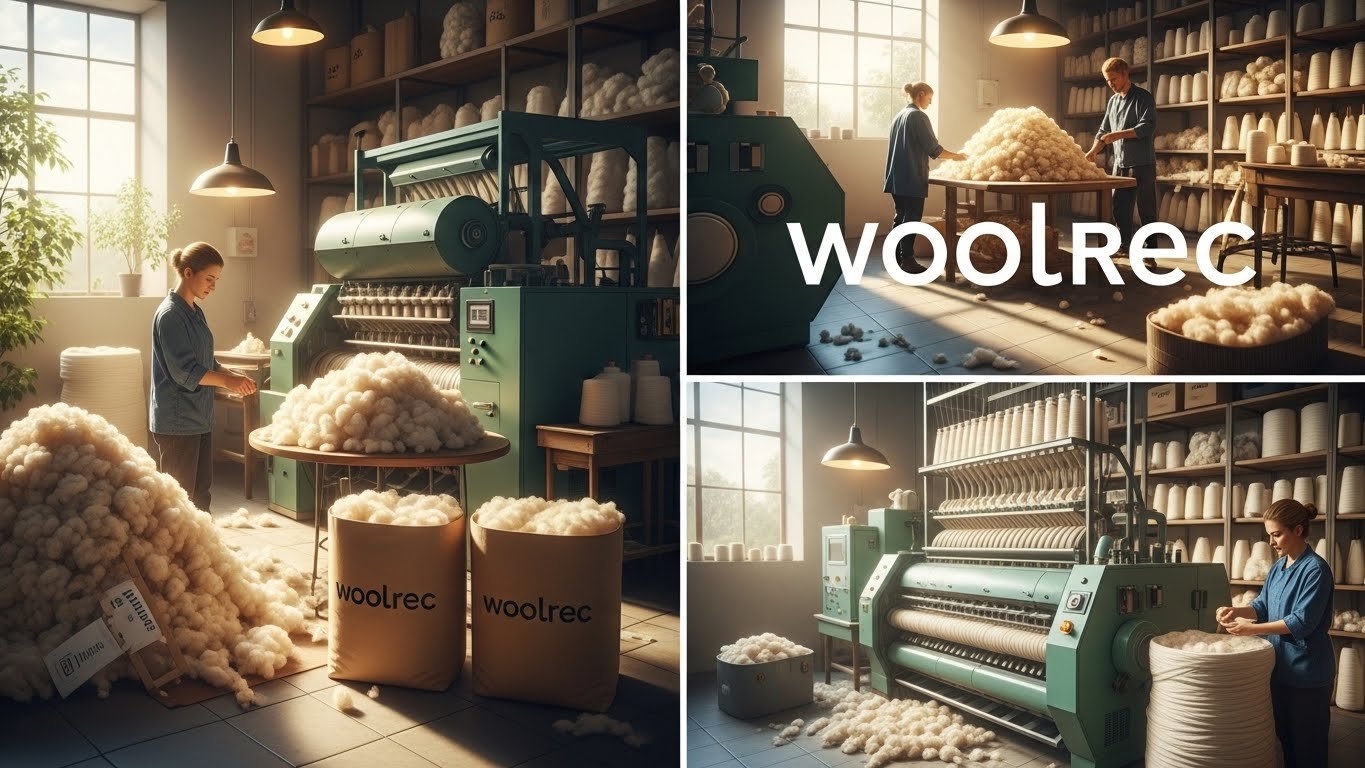
Introduction
The fashion and textile industry is changing fast, and sustainability is no longer just a buzzword—it’s a necessity. From fast fashion waste to environmental damage, consumers and brands alike are searching for better alternatives. One solution gaining serious attention is woolrec, a concept centered around recycling and reusing wool in smarter, eco-friendly ways.
Wool has always been valued for its durability, warmth, and natural properties, but when discarded improperly, it contributes to textile waste. This article explores how wool recycling works, why it matters, and how modern systems are transforming old wool into valuable new products. Whether you’re a fashion enthusiast, sustainability advocate, or business owner, this guide will help you understand the true impact of recycled wool.
Understanding Wool Recycling in the Modern World
What Is Wool Recycling?
Wool recycling is the process of recovering wool fibers from used garments, production scraps, or discarded textiles and converting them into reusable raw material. Instead of sending wool products to landfills, recycling gives them a second life.
Recycled wool can be used to create:
- New clothing items
- Blankets and upholstery
- Insulation materials
- Industrial textiles
This process not only reduces waste but also lowers the demand for new raw wool, conserving natural resources.
Why Wool Is Perfect for Recycling
Wool is one of the most recyclable natural fibers because of its strong molecular structure. Even after years of use, wool fibers maintain resilience and flexibility.
Key characteristics that make wool ideal for reuse include:
- Natural elasticity
- Biodegradability
- Fire resistance
- Temperature regulation
These qualities allow recycled wool to perform nearly as well as virgin wool in many applications.
The Environmental Impact of Wool Waste
The Growing Textile Waste Problem
Globally, millions of tons of textile waste are generated every year. Wool garments, due to their thickness and longevity, often end up discarded when trends change rather than when the fabric wears out.
Problems caused by textile waste include:
- Landfill overcrowding
- Greenhouse gas emissions
- Water and soil pollution
- Resource overconsumption
Recycling wool helps reduce these issues by keeping materials in circulation longer.
How Recycling Wool Helps the Planet
Choosing recycled wool has measurable environmental benefits:
- Reduced water usage compared to new wool production
- Lower carbon emissions
- Less energy consumption
- Decreased chemical processing
These benefits make wool recycling a strong contributor to circular economy models.
How the Wool Recycling Process Works
Step-by-Step Breakdown
The wool recycling process may vary slightly by facility, but it generally follows these steps:
- Collection – Old garments, factory scraps, and post-consumer textiles are gathered.
- Sorting – Materials are separated by color and fiber type.
- Shredding – Wool fabrics are mechanically broken down into fibers.
- Cleaning – Fibers are cleaned to remove impurities.
- Re-spinning – The fibers are spun into new yarn.
Color sorting reduces the need for dyeing, which further lowers environmental impact.
Mechanical vs Chemical Recycling
There are two main approaches to wool recycling:
- Mechanical recycling preserves fiber structure and is more eco-friendly.
- Chemical recycling breaks fibers down at a molecular level but uses more energy.
Most sustainable systems prefer mechanical methods due to lower environmental costs.
Applications of Recycled Wool Today
Fashion and Apparel
Many brands now use recycled wool in:
- Sweaters
- Coats
- Scarves
- Socks
These garments offer the same warmth and comfort as traditional wool while supporting sustainability goals.
Home and Industrial Uses
Recycled wool is also widely used beyond fashion:
- Acoustic insulation panels
- Mattress padding
- Furniture upholstery
- Thermal building insulation
Its natural insulating properties make it highly effective in construction and interior design.
Wool Recycling and the Circular Economy
What Is a Circular Economy?
A circular economy focuses on keeping products and materials in use for as long as possible. Instead of the traditional “make, use, discard” model, materials are reused, repaired, and recycled.
Wool recycling fits perfectly into this system by:
- Extending fiber lifespan
- Reducing waste output
- Lowering resource extraction
Role of Consumers and Brands
Both consumers and businesses play key roles:
Consumers can:
- Buy garments made from recycled fibers
- Donate old wool clothing
- Support sustainable brands
Brands can:
- Design for recyclability
- Use recycled materials
- Educate customers
Together, these actions create lasting environmental impact.
Challenges in Wool Recycling
Fiber Degradation
Each recycling cycle slightly shortens wool fibers, which can reduce strength. To counter this, recycled wool is often blended with virgin fibers.
Sorting Complexity
Separating wool from blended fabrics (like wool-polyester mixes) remains a challenge and requires advanced sorting techniques.
Cost and Infrastructure
Recycling facilities require investment, skilled labor, and technology. In some regions, lack of infrastructure slows adoption.
Despite these challenges, innovation continues to improve efficiency and quality.
Innovations Shaping the Future of Wool Recycling
Smart Sorting Technology
AI-powered sorting machines can now identify fiber types quickly and accurately, improving recycling rates.
Sustainable Blending Techniques
New yarn blends balance durability and sustainability by combining recycled and natural fibers efficiently.
Eco-Conscious Consumer Demand
Growing awareness is pushing brands to adopt recycled wool as a standard rather than a niche option.
These innovations are helping systems like woolrec become more scalable and reliable across industries.
How to Identify Products Made from Recycled Wool
When shopping, look for:
- Clear labeling mentioning recycled content
- Sustainability certifications
- Transparent brand sourcing information
Questions to ask brands:
- What percentage of recycled fibers is used?
- How is the wool sourced and processed?
- Are environmental standards followed?
Informed choices drive industry-wide change.
Why Wool Recycling Matters More Than Ever
Climate change, resource scarcity, and waste management are global concerns. Wool recycling addresses all three by transforming waste into value.
Key benefits include:
- Reduced environmental footprint
- Support for ethical production
- Long-term sustainability
By supporting recycled wool products, consumers help shift the industry toward responsible practices.
Conclusion
Wool recycling is no longer a future idea—it’s a practical, impactful solution already shaping the textile industry. By turning discarded garments into valuable resources, systems like woolrec help reduce waste, conserve resources, and support a more sustainable world.
From fashion to construction, recycled wool proves that sustainability doesn’t mean sacrificing quality or performance. As technology advances and awareness grows, recycled wool will continue to play a vital role in building a cleaner, circular economy. Every choice matters, and choosing recycled materials is one step toward meaningful change.
Call to Action
What do you think about recycled wool and sustainable fashion?
Share your thoughts in the comments, explore eco-friendly brands, or pass this article along to someone interested in sustainability. Small actions today create a greener future tomorrow.
