

Introduction
Cities are evolving faster than ever. With growing populations, limited space, and rising environmental concerns, the way we live, move, and interact in urban areas is changing rapidly. People no longer want crowded, polluted, and inefficient cities. They want smarter, cleaner, and more human-friendly environments. This is where axurbain enters the conversation.
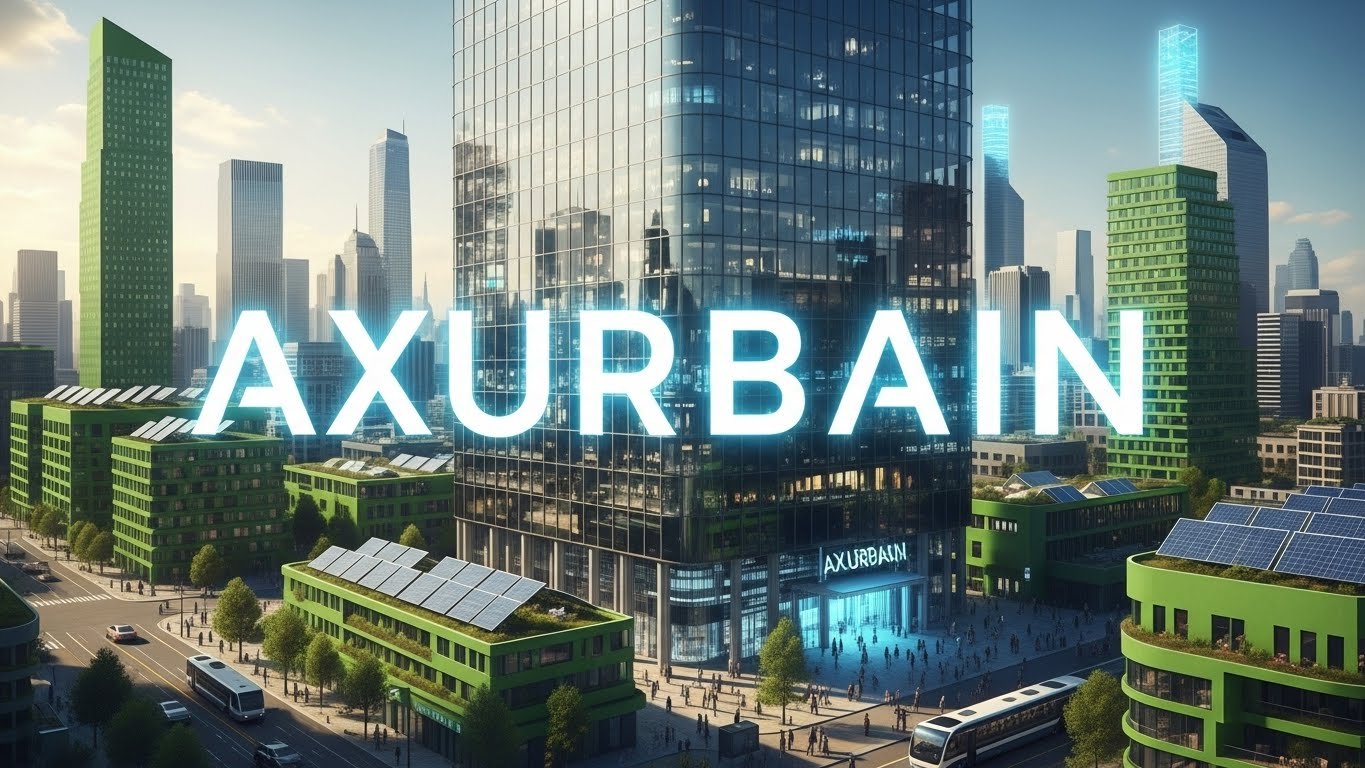
At its core, this concept represents a modern approach to urban development that blends technology, sustainability, and human-centered design. Instead of building cities around vehicles, industries, or rigid systems, the focus shifts to people and their everyday experiences. From intelligent infrastructure to eco-friendly planning, this idea is shaping how future cities may look and function. In this article, we’ll explore what it means, how it works, and why it’s becoming increasingly important in today’s world.
What Is Axurbain?
Axurbain is a forward-thinking urban philosophy that combines smart technology, sustainable planning, and social well-being into one integrated framework. Rather than treating housing, transportation, energy, and public spaces as separate elements, it connects them into a single, adaptive ecosystem.
This approach recognizes that cities are living systems. They grow, change, and respond to human behavior. By using data, automation, and environmentally responsible design, urban areas can become more efficient without losing their human touch.
Core Principles Behind the Concept
Several foundational ideas shape this urban model:
- Human-centric planning that prioritizes comfort, safety, and accessibility
- Smart infrastructure powered by data and automation
- Sustainable energy and resource management
- Flexible urban spaces that adapt to changing needs
- Strong community engagement and social inclusion
These principles work together to create cities that are not only smarter but also more livable.
How Modern Cities Are Changing
Urban life today is very different from what it was even twenty years ago. Remote work, digital services, and smart devices have transformed daily routines. Traditional city planning methods struggle to keep up with these shifts.
From Rigid Structures to Flexible Systems
Older cities were designed with fixed functions. Residential areas were separate from commercial zones, and transportation revolved around cars. Modern urban models focus on mixed-use spaces where people can live, work, and relax within the same neighborhood.
Key changes include:
- Walkable neighborhoods replacing car-centric layouts
- Multi-purpose buildings instead of single-use structures
- Public spaces designed for social interaction
- Digital services integrated into everyday infrastructure
This flexibility helps cities respond faster to economic, environmental, and social changes.
The Role of Smart Technology in Urban Development
Technology is a major driver behind modern urban innovation. Sensors, data analytics, and artificial intelligence allow cities to understand how people move, consume resources, and use public services.
Smart Infrastructure Explained
Smart infrastructure uses connected systems to improve efficiency and reduce waste. Examples include:
- Traffic lights that adapt to real-time congestion
- Smart grids that balance energy demand
- Water systems that detect leaks automatically
- Waste management systems that optimize collection routes
These technologies reduce costs, improve service quality, and lower environmental impact.
Sustainability as a Core Urban Goal
Environmental responsibility is no longer optional for cities. Climate change, pollution, and resource scarcity demand smarter solutions.
Green Design and Energy Efficiency
Modern urban planning emphasizes:
- Renewable energy sources like solar and wind
- Energy-efficient buildings with smart insulation
- Green roofs and vertical gardens
- Sustainable materials in construction
These features help cities reduce carbon emissions while improving air quality and public health.
Sustainable Transportation Solutions
Transportation is one of the biggest contributors to urban pollution. New approaches focus on:
- Expanding public transit systems
- Encouraging cycling and walking
- Supporting electric vehicles
- Reducing dependency on private cars
By redesigning mobility, cities become quieter, cleaner, and more accessible.
Community and Social Impact
A city is more than buildings and roads. It’s about people and relationships. One of the strongest aspects of this urban approach is its emphasis on community well-being.
Designing for People, Not Just Efficiency
Urban success isn’t measured only by economic growth. Social factors matter just as much.
Important elements include:
- Inclusive public spaces for all age groups
- Affordable housing options
- Access to education and healthcare
- Safe neighborhoods with strong social ties
When people feel connected to their environment, cities become healthier and more resilient.
Axurbain vs Traditional Urban Planning
To understand the value of axurbain, it helps to compare it with older planning models.
Key Differences
Traditional planning often focuses on:
- Centralized control
- Fixed infrastructure
- Car-focused transportation
- Limited community input
In contrast, this modern approach emphasizes:
- Decentralized, data-driven systems
- Adaptive infrastructure
- Sustainable mobility
- Active citizen participation
This shift leads to cities that evolve with their residents rather than forcing people to adapt to rigid systems.
Real-World Applications and Examples
While the term itself may sound new, many cities are already applying similar principles.
Examples include:
- Smart neighborhoods with energy-positive buildings
- Urban districts designed around public transit
- Digital platforms for citizen feedback and services
- Mixed-use developments that reduce commuting needs
These implementations show that the concept is not theoretical. It’s already influencing how cities grow and modernize.
Challenges and Limitations
No urban model is perfect. This approach also faces obstacles that must be addressed carefully.
Common Challenges
- High initial investment costs
- Data privacy and security concerns
- Digital divide between communities
- Resistance to change from traditional systems
Addressing these issues requires transparent governance, strong policies, and continuous public engagement.
The Future of Urban Living
As cities continue to grow, the need for smarter, more sustainable solutions will only increase. Urban models that integrate technology with human values are likely to dominate future development.
In the coming years, we can expect:
- More adaptive city designs
- Greater use of AI in urban management
- Stronger focus on climate resilience
- Deeper collaboration between governments, businesses, and citizens
These trends suggest a future where cities are not just bigger, but better.
Conclusion
Urban life is at a turning point. Traditional planning methods can no longer keep up with the demands of modern society. Innovative approaches like axurbain offer a compelling vision for the future, one where technology, sustainability, and human well-being coexist in harmony.
By focusing on flexible systems, smart infrastructure, and community-driven design, cities can become more efficient without losing their soul. This approach doesn’t just solve today’s problems; it prepares urban spaces for tomorrow’s challenges. As more cities embrace these ideas, the way we experience urban life may change for the better.
Call to Action
What do you think about the future of urban living?
Share your thoughts in the comments, spread this article with others interested in smart cities, or explore more insights on modern urban innovation to stay ahead of the curve.
