

Introduction
In a world filled with wireless devices, signals, and smart technology, even the smallest components play a huge role. One such overlooked element is antennino, a term that often sparks curiosity because of its unique sound and broad usage across industries. At first glance, it may seem like a simple technical word, but its meaning stretches beyond just hardware. From electronics and communication systems to design, branding, and everyday gadgets, this concept quietly supports modern connectivity. In this article, we’ll break down what it means, where it’s used, and why it’s more important than people realize. Think of this as a friendly guide that explains the idea in plain English—no engineering degree required.
Understanding the Term and Its Origin
Linguistic Background
The word comes from Italian roots, where it literally translates to “small antenna.” The suffix gives it a diminutive tone, implying something compact, lightweight, and minimal. Over time, the meaning expanded beyond language and entered technical, creative, and commercial spaces.
How the Meaning Evolved
Originally used to describe tiny signal receivers, the term is now applied to various products and ideas. It can represent physical components, design philosophies, or even brand names that emphasize compact efficiency.
Where Small Antenna Concepts Are Commonly Used
Electronics and Communication Devices
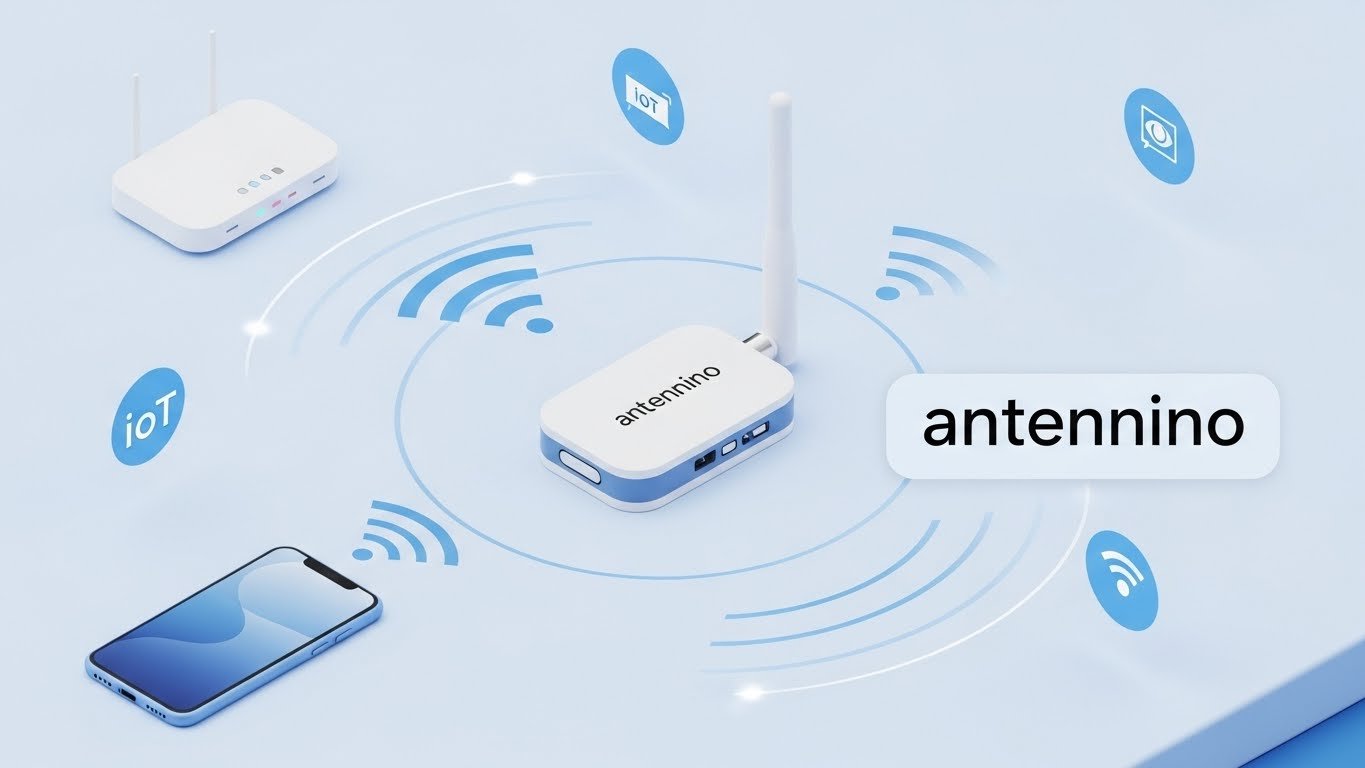
Modern electronics rely heavily on compact signal receivers. Smartphones, routers, smartwatches, and IoT devices all use miniature antennas to function efficiently. These tiny components allow devices to stay connected without bulky hardware.
Key applications include:
- Mobile phones and tablets
- Bluetooth accessories
- Wi-Fi routers
- GPS trackers
- Smart home devices
Automotive Technology
Cars today are packed with wireless systems. From radio and GPS to remote locking and sensors, compact antenna structures are essential. Their small size allows seamless integration without affecting vehicle aesthetics.
Internet of Things (IoT)
IoT devices depend on small, efficient antennas to transmit data continuously. Whether it’s a smart thermostat or a fitness tracker, reliable signal transmission is critical.
Design and Aesthetic Value
Minimalism in Modern Products
Design trends favor clean and simple forms. Large external antennas are being replaced by internal solutions that preserve visual appeal. This shift reflects a broader design philosophy where function blends with aesthetics.
Why Size Matters
Smaller antennas reduce weight, save space, and improve product portability. They also allow manufacturers to innovate freely without structural limitations.
Antennino as a Concept in Branding
Symbol of Smart Efficiency
Some brands adopt the term or its idea to represent intelligence, awareness, and connectivity. It conveys the idea of being “tuned in” to trends, signals, or user needs.
Emotional and Marketing Appeal
The word feels friendly and approachable. It suggests something clever yet simple, which resonates with modern audiences who value smart solutions without complexity.
Technical Advantages of Compact Antennas
Performance Improvements
Smaller antennas are no longer weaker by default. Advances in materials and design have made them highly efficient.
Benefits include:
- Stronger signal reception
- Lower power consumption
- Better compatibility with compact devices
Energy Efficiency
Compact designs help conserve battery life, especially in portable electronics. This is crucial for wearables and wireless sensors.
Challenges and Limitations
Signal Interference
Smaller antennas must be carefully engineered to avoid interference from nearby components. Poor placement can reduce performance.
Manufacturing Precision
Tiny components require advanced manufacturing techniques. This can increase production costs if not optimized properly.
Comparing Traditional Antennas vs Modern Compact Solutions
| Feature | Traditional Antennas | Compact Antennas |
| Size | Large and visible | Small and hidden |
| Design | External | Internal |
| Power Use | Higher | Lower |
| Aesthetics | Bulky | Sleek |
| Flexibility | Limited | High |
This comparison highlights why compact antenna concepts dominate today’s technology landscape.
Antennino in Everyday Life
Devices You Use Daily
You may not notice it, but many everyday devices rely on small antennas:
- Wireless earbuds
- Smart TVs
- Home security systems
- Fitness trackers
These components quietly ensure seamless connectivity.
Why Users Rarely Think About It
When technology works smoothly, people don’t question the components behind it. That’s the beauty of good design—it fades into the background.
Future Trends and Innovations
Integration with AI and Smart Systems
As devices become smarter, antenna systems will adapt to changing environments automatically. Signal tuning and optimization will happen in real time.
Flexible and Invisible Designs
Future antennas may be printed directly onto device surfaces or embedded into materials like fabric or glass.
Sustainability Focus
Smaller components mean less material usage and lower energy demand, aligning with eco-friendly manufacturing goals.
Why Antennino Matters More Than Ever
In a hyper-connected world, everything depends on reliable signal transmission. Compact antenna concepts allow innovation to move forward without sacrificing performance or design.
They represent:
- Smarter engineering
- Better user experience
- Cleaner product design
- Sustainable technology
Conclusion
Although it may sound small or simple, antennino represents a powerful idea in modern technology and design. It shows how minimal components can have a massive impact on performance, connectivity, and user experience. From smartphones and cars to smart homes and future innovations, this concept quietly supports the digital world we rely on every day. Understanding it helps us appreciate the invisible systems working behind the scenes. As technology continues to shrink while growing smarter, the importance of compact, efficient antenna solutions will only increase.
Call to Action
Did you find this guide helpful or interesting?
Share it with someone curious about technology, drop your thoughts in the comments, or explore more articles to stay tuned into the world of smart innovation.
