

Introduction
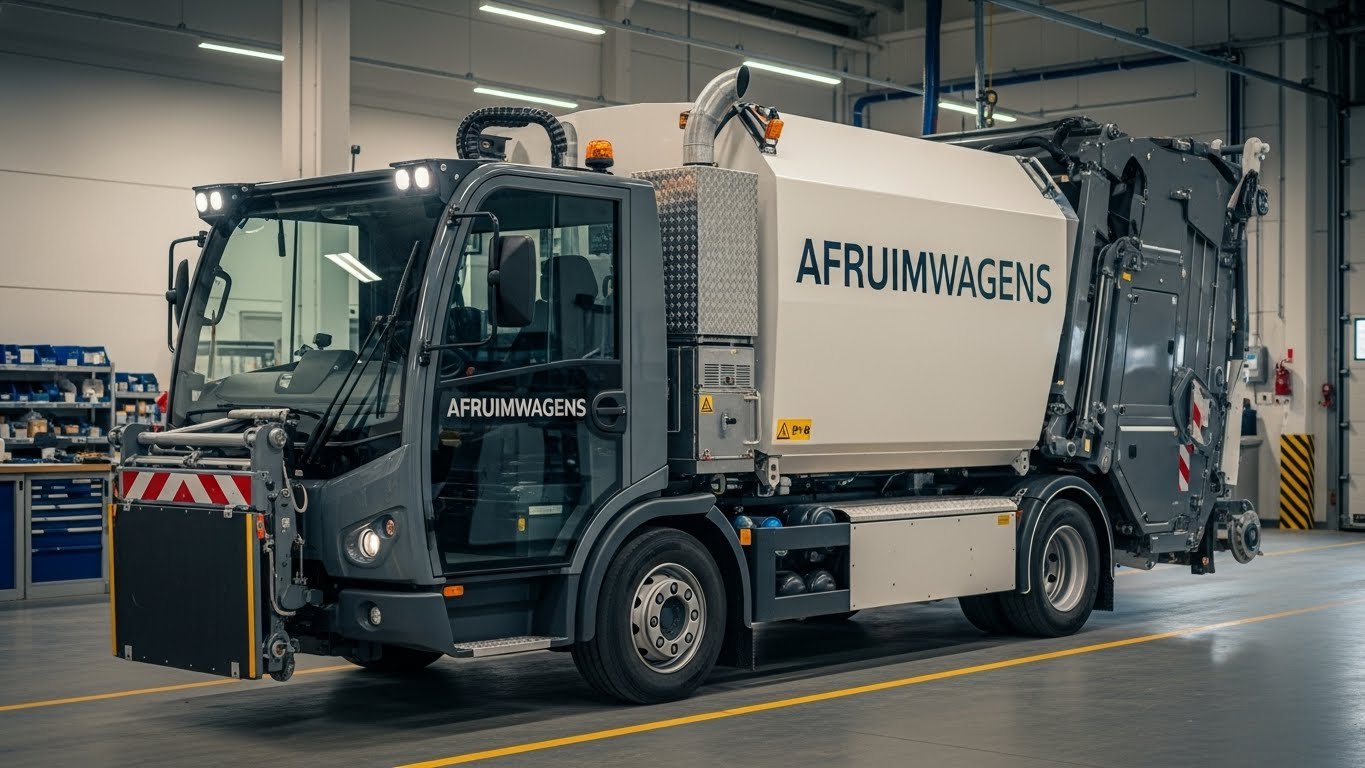
In modern cities and industrial environments, cleanliness is not just about appearance—it’s about efficiency, safety, and sustainability. Whether it’s a warehouse, hospital, airport, or public street, waste and leftover materials need to be removed quickly without disrupting daily operations. This is where specialized cleanup vehicles come into play. One such solution that has gained attention in logistics, municipal services, and industrial settings is afruimwagens. These vehicles are designed to streamline cleanup tasks, reduce manual labor, and maintain high hygiene standards. In this article, we’ll explore what these vehicles are, how they work, where they’re used, and why they’re becoming essential in modern operations. If you’re curious about smart cleanup systems and practical efficiency, you’re in the right place.
What Are Afruimwagens?
Afruimwagens are purpose-built cleanup and collection vehicles commonly used in industrial, commercial, and municipal environments. The word itself originates from Dutch, where “afruimen” means to clear away or tidy up. These vehicles are designed to collect waste, leftover materials, or equipment efficiently and transport them to designated disposal or storage areas.
Unlike regular carts or manual trolleys, these vehicles often feature structured compartments, strong frames, and mobility-focused designs. Some are motorized, while others are manually operated depending on the environment and workload.
Key Characteristics
- Designed for organized waste and material collection
- Built to reduce physical strain on workers
- Optimized for speed and workflow efficiency
- Suitable for indoor and outdoor use
Their primary goal is simple: make cleanup faster, safer, and more systematic.
Types of Cleanup and Collection Vehicles
Cleanup vehicles come in various forms, each designed for specific tasks and industries. Understanding these types helps organizations choose the right solution.
Manual Collection Carts
These are lightweight, human-operated vehicles often used in hospitals, hotels, and offices. They are quiet, easy to maneuver, and ideal for short-distance cleanup tasks.
Industrial Cleanup Vehicles
Used in warehouses, factories, and logistics centers, these vehicles are heavier and built for larger loads. They often include reinforced frames and larger storage capacity.
Motorized Cleanup Vehicles
In large facilities like airports or industrial plants, motorized cleanup vehicles save time and effort. They cover long distances quickly and can handle frequent cleanup cycles.
Municipal Cleanup Vehicles
Used by city services, these vehicles assist in street cleaning, event cleanup, and public area maintenance. They are designed to handle outdoor conditions and mixed waste types.
Where Are These Vehicles Commonly Used?
Cleanup vehicles play a role in many industries. Their adaptability makes them valuable across different environments.
Warehouses and Logistics Centers
In fast-paced logistics operations, leftover packaging, damaged goods, and loose materials are common. Cleanup vehicles help maintain clear pathways and prevent accidents.
Healthcare Facilities
Hospitals require strict hygiene standards. Organized cleanup carts reduce contamination risks and support efficient waste segregation.
Hospitality Industry
Hotels and resorts rely on quick turnaround times. Cleanup vehicles help staff clear rooms, hallways, and service areas efficiently.
Manufacturing Plants
Factories generate scrap materials and waste throughout the production process. Cleanup vehicles keep workstations clean and production flowing smoothly.
Public and Event Spaces
After events or daily public use, cleanup vehicles help restore spaces quickly without excessive manpower.
Benefits of Using Specialized Cleanup Vehicles
Using structured cleanup vehicles offers advantages beyond basic cleanliness. These benefits directly impact productivity and safety.
Improved Efficiency
Cleanup tasks that once took hours can be completed much faster. Workers spend less time walking back and forth and more time on productive activities.
Reduced Physical Strain
Carrying waste manually increases the risk of injury. Cleanup vehicles distribute weight evenly, reducing strain on the back and joints.
Better Organization
With compartments and designated storage areas, waste separation becomes easier. This supports recycling and proper disposal practices.
Enhanced Safety
Clean floors and clear pathways reduce slip-and-fall accidents. This is especially important in industrial and public environments.
Professional Appearance
A clean, organized space reflects professionalism and care, which matters for both employees and visitors.
How to Choose the Right Cleanup Vehicle
Selecting the right cleanup solution depends on several practical factors. Making the right choice ensures long-term value and usability.
Consider the Environment
Indoor spaces require compact, quiet designs, while outdoor environments need durable, weather-resistant builds.
Load Capacity
Estimate the average amount of waste or material collected daily. Overloading small vehicles reduces efficiency and increases wear.
Mobility Requirements
Narrow corridors require tight turning radius designs. Large open spaces benefit from faster, motorized options.
Material and Build Quality
Steel frames offer durability, while lightweight materials improve maneuverability. The choice depends on workload intensity.
Maintenance Needs
Simple designs are easier to maintain and repair. Consider long-term upkeep costs before investing.
Sustainability and Environmental Impact
Modern cleanup solutions are increasingly designed with sustainability in mind. Efficient waste collection supports recycling programs and reduces environmental impact.
- Encourages proper waste separation
- Reduces reliance on disposable cleanup tools
- Supports cleaner, safer work environments
- Lowers energy use when replacing inefficient manual processes
Some organizations also choose electric or low-emission models to align with environmental goals.
Common Mistakes to Avoid
Even the best equipment can fail if used incorrectly. Here are some mistakes organizations often make:
- Choosing a vehicle that’s too large for the workspace
- Ignoring staff training on proper usage
- Overloading beyond recommended capacity
- Neglecting routine maintenance
- Using one vehicle type for all tasks
Avoiding these issues ensures smooth operation and longer equipment life.
Future Trends in Cleanup and Collection Systems
Cleanup technology continues to evolve. Future developments are focused on automation, sustainability, and smart design.
- Integration with facility management systems
- Increased use of electric and battery-powered models
- Smarter compartment designs for waste sorting
- Lightweight but stronger materials
- Ergonomic improvements for worker comfort
As facilities grow larger and more complex, intelligent cleanup solutions will become even more important.
Why Afruimwagens Are Gaining Popularity
The growing demand for operational efficiency has pushed organizations to rethink traditional cleanup methods. Afruimwagens offer a balanced solution that combines organization, mobility, and worker safety. Their flexibility allows them to adapt to multiple industries without sacrificing performance. As labor costs rise and efficiency becomes a priority, these vehicles provide a practical answer to everyday cleanup challenges.
Conclusion
Clean environments don’t happen by accident—they are the result of smart systems and efficient tools. From warehouses to hospitals, organized cleanup solutions play a crucial role in maintaining safety, productivity, and professionalism. By reducing manual effort, improving organization, and supporting sustainable practices, these vehicles have become essential in modern operations. Whether you manage a facility or plan logistics workflows, understanding the value of afruimwagens can help you make better operational decisions. A cleaner space isn’t just easier to work in—it’s smarter, safer, and more efficient for everyone involved.
Final Thoughts & Call to Action
Efficient cleanup is a silent hero in every successful operation. If you found this guide helpful, share it with colleagues or facility managers who might benefit from smarter cleanup solutions. Have experience using structured cleanup vehicles? Drop a comment and join the conversation. Exploring better tools today can lead to cleaner, safer spaces tomorrow.
