

Introduction
Food culture is constantly evolving, and along with new dishes and techniques, new words also enter our vocabulary. One such intriguing term is calamariere. At first glance, it may sound unfamiliar, but once you dig deeper, you’ll realize it connects closely with seafood traditions, culinary craftsmanship, and modern dining trends. Whether you’ve seen it mentioned in a menu, recipe discussion, or food-related content, curiosity naturally follows.
In this article, we’ll break down what this term represents, how it fits into culinary contexts, and why it’s becoming more relevant today. We’ll explore its background, practical uses, and how it compares to related concepts in seafood preparation. By the end, you’ll have a clear, friendly understanding of the topic—and maybe even a new appreciation for the art behind it.
Understanding the Concept Behind Calamariere
Before jumping into usage, it’s important to understand the idea behind the term itself. The word appears to be inspired by calamari, the popular squid-based dish enjoyed worldwide, especially in Mediterranean and coastal cuisines.
In culinary language, similar terms often describe:
- A role or specialty related to food preparation
- A style of cooking or presentation
- A person or tool associated with a specific ingredient
A Culinary Interpretation
In many food discussions, calamariere is used to describe someone skilled in preparing calamari-based dishes or a specialized approach to handling squid in the kitchen. This includes cleaning, slicing, marinating, and cooking squid to achieve the perfect balance of tenderness and flavor.
Unlike generic seafood preparation, calamari requires precision. Overcook it, and it becomes rubbery. Undercook it, and the texture feels unpleasant. This is where expertise matters.
The Role of Skill in Seafood Preparation
Why Squid Is Tricky to Cook
Squid is delicate and reacts quickly to heat. That’s why experienced cooks follow a simple rule:
- Cook squid very quickly (under 2 minutes), or
- Cook it very slowly (over 30 minutes)
Anything in between often ruins the texture.
A calamari-focused specialist understands:
- How to remove the internal cartilage cleanly
- When to score the flesh for even cooking
- Which cooking methods suit different dishes
Common Cooking Methods for Squid
Popular techniques include:
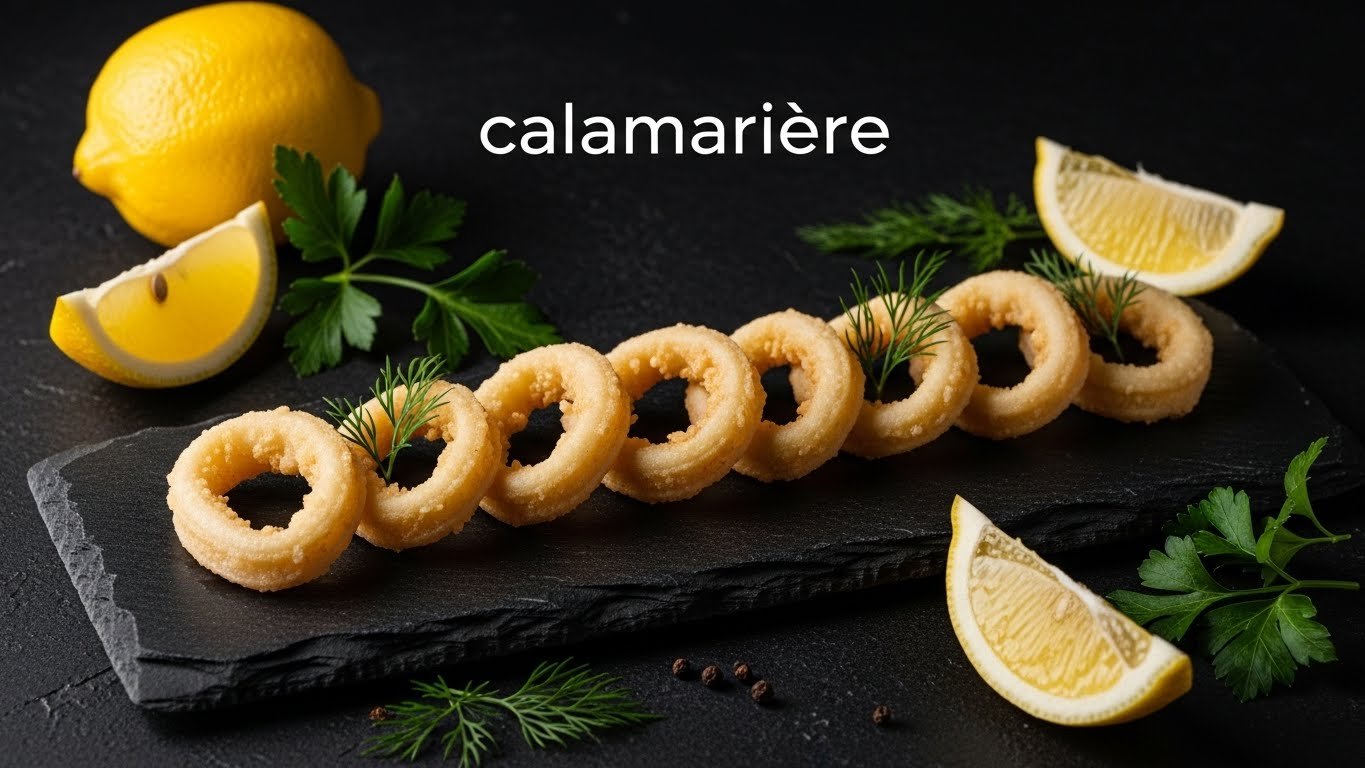
- Deep frying for crispy rings
- Grilling for smoky flavor
- Braising in sauces for tenderness
- Stuffing and baking for traditional recipes
Each method requires attention to timing, oil temperature, and seasoning.
Cultural Importance in Mediterranean Cuisine
A Staple in Coastal Regions
Squid has been a dietary staple in coastal communities for centuries. From Italy and Greece to Spain and Turkey, it appears in countless regional dishes.
Examples include:
- Fried calamari with lemon wedges
- Squid cooked in tomato and wine sauce
- Stuffed squid with herbs and breadcrumbs
In these cultures, squid preparation is often passed down through generations. The knowledge isn’t just technical—it’s cultural.
Street Food to Fine Dining
What’s interesting is how squid dishes move effortlessly between casual and upscale dining.
- Street food stalls offer quick fried squid cones
- High-end restaurants serve plated squid with complex sauces
This versatility adds to the growing appreciation of specialized seafood handling.
Tools and Techniques Used in Squid Preparation
Essential Kitchen Tools
Preparing squid properly doesn’t require fancy equipment, but a few tools help:
- Sharp chef’s knife for clean cuts
- Small paring knife for cleaning
- Paper towels to remove excess moisture
- Heavy pan or deep fryer for even heat
Cleanliness and sharpness are more important than quantity.
Preparation Techniques That Matter
Key steps include:
- Separating the head and body gently
- Removing the internal quill
- Peeling off the outer skin
- Cleaning tentacles carefully
- Cutting evenly for consistent cooking
Skipping or rushing these steps affects both taste and presentation.
Modern Culinary Trends and Seafood Specialization
Rise of Ingredient-Focused Cooking
Modern chefs increasingly specialize in mastering specific ingredients rather than cooking everything. This approach highlights:
- Sustainability
- Ingredient respect
- Technical excellence
Seafood, especially squid, fits perfectly into this philosophy.
Sustainability and Ethical Sourcing
Squid is considered a more sustainable seafood option compared to overfished species. It grows fast and reproduces quickly, making it appealing for eco-conscious kitchens.
Benefits include:
- Lower environmental impact
- Widely available across regions
- Versatile for many cuisines
This contributes to its growing popularity in modern menus.
Home Cooking vs Professional Preparation
Cooking Squid at Home
Many home cooks avoid squid due to fear of ruining it. However, with simple guidance, it becomes manageable.
Tips for beginners:
- Buy pre-cleaned squid if possible
- Keep cooking times short
- Use high heat for frying or grilling
- Season simply with salt, pepper, and lemon
Confidence grows with practice.
Restaurant-Level Expertise
Professional kitchens bring speed, experience, and consistency. This is where a calamariere-style approach shines—precision, repetition, and deep understanding of the ingredient.
Restaurants often train staff specifically for seafood stations due to these challenges.
Flavor Pairings That Work Best
Squid has a mild flavor, making it an excellent base for many ingredients.
Classic Pairings
Popular combinations include:
- Lemon and garlic
- Olive oil and parsley
- Chili flakes for heat
- Tomato-based sauces
Modern Fusion Ideas
Contemporary chefs experiment with:
- Asian-inspired marinades
- Citrus reductions
- Herb-infused oils
- Charred vegetables
These combinations add complexity without overpowering the squid.
Common Mistakes to Avoid
Even experienced cooks can make errors. Here are the most common ones:
- Overcooking due to hesitation
- Using low-quality oil for frying
- Skipping proper drying before cooking
- Over-seasoning and masking natural flavor
Avoiding these mistakes instantly improves results.
Why Interest in This Concept Is Growing
The renewed focus on seafood craftsmanship has pushed niche culinary terms into the spotlight. As people become more food-aware, they seek authenticity, skill, and storytelling behind what they eat.
The idea of a calamariere represents:
- Respect for ingredients
- Specialized knowledge
- Culinary heritage
This aligns well with modern food trends focused on quality over quantity.
Conclusion
Food isn’t just about eating—it’s about understanding what goes into each dish. The concept of calamariere highlights the importance of skill, patience, and respect when working with delicate seafood like squid. From cultural traditions to modern kitchens, this approach reminds us that even simple ingredients deserve thoughtful preparation.
Whether you’re a home cook wanting better results or a food lover curious about culinary terminology, learning about this topic adds depth to your appreciation of seafood. As food culture continues to evolve, ingredient-focused expertise will only become more valuable—and this is a perfect example of that shift.
Call to Action
Have you ever cooked squid at home or tried a memorable calamari dish at a restaurant?
Share your experience in the comments, pass this article to a fellow food lover, or explore more culinary topics to deepen your kitchen knowledge.
