

Introduction
The internet has a strange talent for turning the most unexpected things into global trends. One moment it’s a dance challenge, the next it’s a random word, image, or animal dominating timelines everywhere. That’s exactly how cadibara entered online culture. What started as a playful variation of a familiar animal reference quickly transformed into a viral sensation across social media platforms. People weren’t just sharing it — they were remixing it, memeing it, and building entire joke ecosystems around it. In this article, we’ll explore where this trend came from, why it spread so fast, and what it reveals about modern internet behavior. By the end, you’ll understand why this simple term captured so much attention online.
What Is Cadibara?
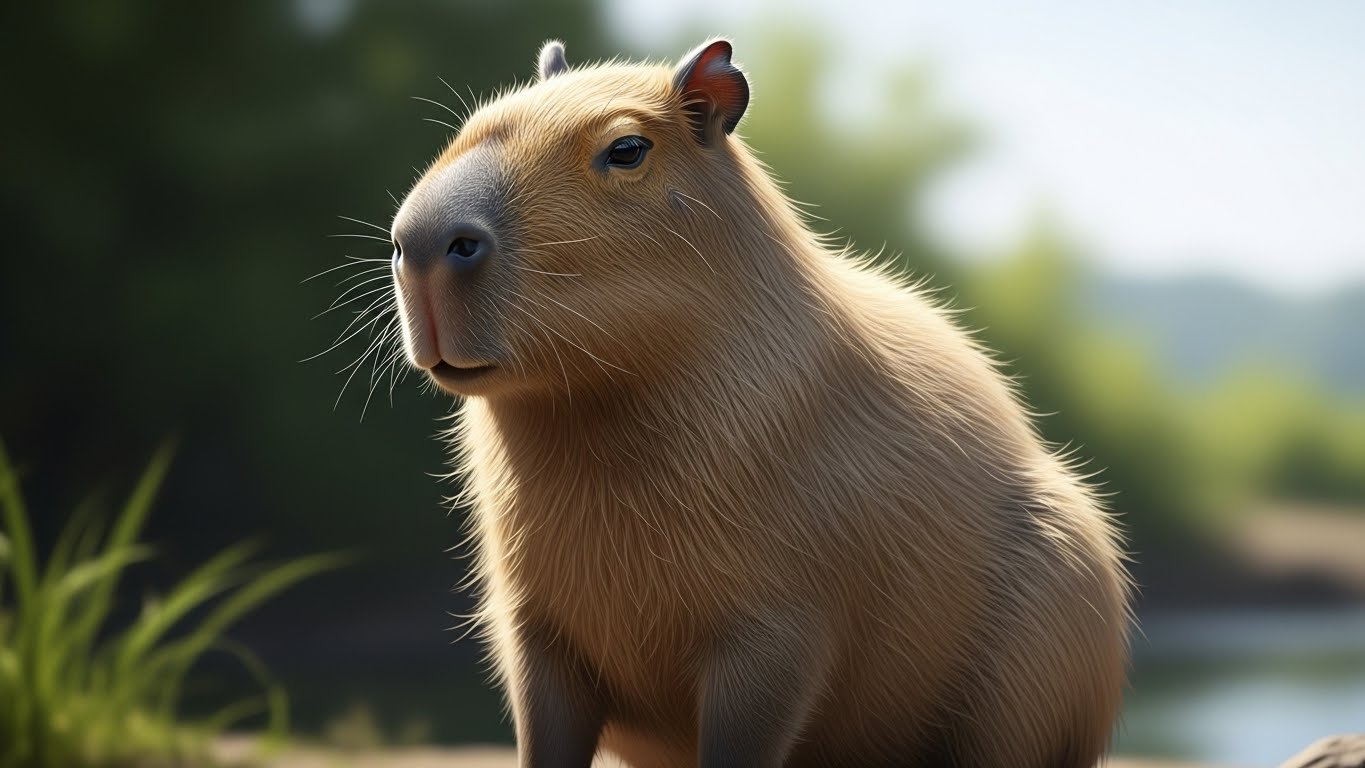
At its core, the term is closely connected to internet humor and meme culture rather than a formal definition. It’s widely believed to be a humorous misspelling or playful adaptation of “capybara,” the calm, social rodent that already enjoys meme fame.
However, the internet didn’t treat it as a mistake — it treated it as a new identity.
Why the Name Matters Online
On the internet, slightly incorrect words often perform better than perfect ones. Why?
- They feel more human and spontaneous
- They spark curiosity and confusion
- They invite jokes, edits, and reinterpretations
- They create an “inside joke” effect
This is where cadibara became more than a word — it became a shared online experience.
The Origins of the Trend
Accidental Virality
Most viral trends don’t start with a plan. This one likely emerged from:
- A typo in a comment or caption
- A meme page experimenting with wordplay
- A humorous mispronunciation in a video
Once people noticed it, they leaned into it instead of correcting it.
Meme Culture Loves Imperfection
Internet culture thrives on chaos and randomness. Misspelled words, absurd humor, and low-effort jokes often outperform polished content. That’s why this trend spread faster than many intentional campaigns.
Why Cadibara Took Over Social Media
1. It’s Instantly Funny
Even without context, the word sounds amusing. Humor that doesn’t require explanation travels faster online.
2. Visual + Text Meme Potential
Creators paired the term with:
- Chill animal images
- Absurd facial expressions
- Low-resolution edits
- Relatable captions
This combination made it highly remixable.
3. It Fits Every Platform
The trend adapted perfectly across platforms:
- TikTok: Short videos with text overlays
- Instagram: Meme slides and reels
- Twitter/X: One-line jokes and reactions
- Reddit: Community-driven variations
The Psychology Behind Viral Internet Words
Why People Share Random Trends
People don’t share content only because it’s meaningful. Often, they share because it makes them feel included.
Cadibara worked because it offered:
- A sense of belonging
- Low effort participation
- Shared humor without explanation
Inside Jokes Build Communities
When people understand a joke that outsiders don’t, it creates social bonding. This trend became an “if you know, you know” moment across platforms.
How Meme Trends Like This Evolve
Stage 1: Confusion
People ask:
- “What does this mean?”
- “Why is everyone posting this?”
Stage 2: Ironic Sharing
Users start sharing it because it doesn’t make sense.
Stage 3: Creative Expansion
The trend branches into:
- Parody accounts
- Fan edits
- Merch mockups
- AI-generated images
Stage 4: Saturation or Reinvention
Either the trend fades or reinvents itself with new formats.
Cadibara vs Other Viral Internet Trends
Let’s compare it with similar viral moments:
Compared to Animal Memes
Unlike traditional animal memes that rely on cuteness, this one leaned more into absurdity and randomness.
Compared to Slang Trends
Slang usually comes from specific communities. This trend had no gatekeeping — anyone could join instantly.
Compared to AI-Driven Trends
While many modern trends rely on AI tools, this one felt organic and human, which made it more relatable.
How Brands and Creators Reacted
Content Creators
Creators used it to:
- Increase engagement
- Test ironic humor
- Connect with Gen Z audiences
Brands Watching Closely
Smart brands didn’t jump in immediately. Instead, they observed how the trend evolved before using similar humor styles.
Lessons Marketers Can Learn
Even if you’re not into memes, there are valuable takeaways here.
Key Insights
- Simplicity beats perfection
- Humor doesn’t need explanation
- Trends grow faster when users feel ownership
- Not every viral moment needs branding
What Not to Do
- Don’t over-explain the joke
- Don’t force relevance
- Don’t arrive too late
Is Cadibara Still Relevant?
Internet trends move fast, but their impact lasts longer than expected.
Even after peak popularity, the term continues to appear in:
- Nostalgic meme posts
- Comment sections
- Trend compilations
- Reaction content
This shows how even short-lived trends leave long-term cultural footprints.
Why the Internet Loved Cadibara
To sum it up, this trend worked because it was:
- Easy to understand
- Hard to explain
- Fun without rules
- Open to interpretation
It didn’t try to be viral — it just was.
Conclusion
The rise of cadibara proves that the internet doesn’t always need logic, structure, or meaning to fall in love with something. Sometimes, all it takes is a playful word, shared humor, and collective participation. This trend highlights how online culture values creativity, imperfection, and shared laughter over polished perfection. Whether you saw it as a joke, a meme, or just harmless fun, it reflects how modern digital communities connect. Understanding trends like this helps us better understand how the internet thinks, reacts, and evolves — one unexpected word at a time.
Call to Action
Did you come across this trend on your feed?
Share your favorite meme, drop your thoughts in the comments, or send this article to a friend who loves internet culture. Stay curious — the next viral obsession could appear any day.
